
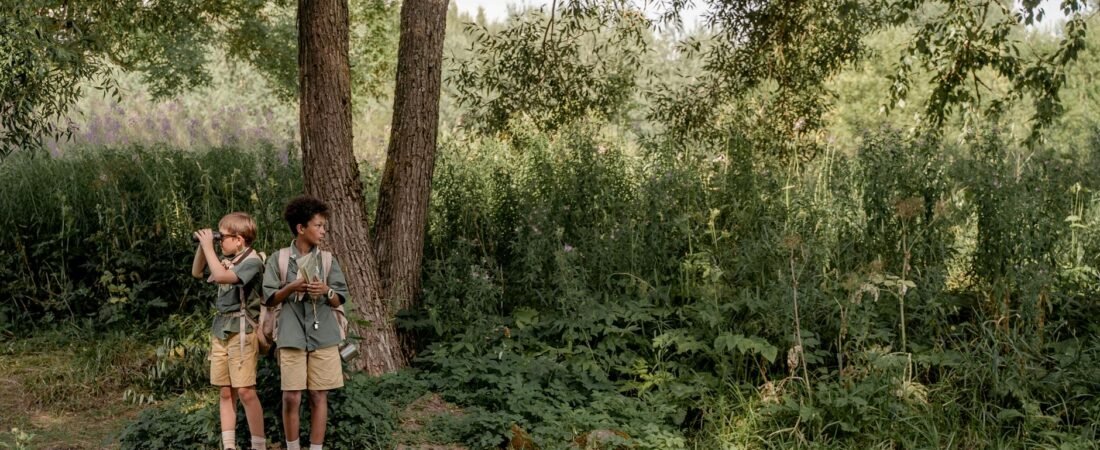
10 Survival Skills Every Prepper Needs in 2025
As we step further into 2025, the world continues to present new challenges—natural disasters, supply chain disruptions, and unforeseen emergencies. Whether you’re a seasoned prepper or just starting your journey, mastering essential survival skills is no longer optional; it’s a necessity. In this guide, we’ll walk you through the 10 most critical survival skills every prepper needs to thrive in uncertain times. Each skill comes with step-by-step instructions, practical tips, and product recommendations to help you build confidence and resilience.
Why Survival Skills Matter in 2025
Survival skills are the foundation of preparedness. While stockpiling food, water, and gear is important, your ability to adapt and respond in a crisis is what truly determines your safety and well-being. In 2025, with technology more integrated into our lives than ever, it’s easy to overlook the value of hands-on skills. But when the power goes out or communication networks fail, these skills become your lifeline.
Think of survival skills as your personal toolkit. The more tools you have, the better equipped you’ll be to handle any situation. From navigating unfamiliar terrain to treating injuries, these skills empower you to take control of your environment and protect your loved ones.
1. Fire-Starting: The Heart of Survival
Fire is essential for warmth, cooking, water purification, and signaling for help. Knowing how to start a fire in any condition is a must-have skill for every prepper.
Step-by-Step Guide to Fire-Starting
- Gather Materials: Collect tinder (dry leaves, paper, cotton balls), kindling (small sticks), and fuel (larger logs).
- Choose a Safe Location: Clear a spot away from flammable materials and ensure good ventilation.
- Build Your Fire Structure: Arrange tinder in the center, kindling around it, and fuel on top. Use a teepee or log cabin structure for best results.
- Ignite the Fire: Use a lighter, matches, or a fire starter. If you don’t have these, try a ferro rod or friction-based methods like a bow drill.
- Maintain the Fire: Add fuel gradually and keep the fire contained.
Product Recommendation: A reliable fire starter like a ferro rod or a waterproof lighter is a must-have. Consider the Light My Fire Swedish FireSteel for durability and ease of use.
Pro Tip: Practice fire-starting in different conditions—wet, windy, and cold—to build confidence.
2. Water Purification: Staying Hydrated Safely
Access to clean water is critical for survival. Contaminated water can lead to serious illness, so knowing how to purify water is essential.
Step-by-Step Guide to Water Purification
- Find a Water Source: Look for streams, rivers, lakes, or rainwater.
- Filter the Water: Use a portable water filter or a DIY filter with sand, gravel, and charcoal.
- Purify the Water: Boil water for at least one minute, or use water purification tablets or a UV purifier.
- Store Safely: Keep purified water in clean, sealed containers.
Product Recommendation: The Sawyer Squeeze Water Filter is lightweight and effective for removing bacteria and protozoa.
Pro Tip: Always carry a backup method, like purification tablets, in case your primary method fails.
3. First Aid and CPR: Saving Lives in Emergencies
Accidents and injuries can happen at any time. Knowing basic first aid and CPR can mean the difference between life and death.
Step-by-Step Guide to First Aid and CPR
- Assess the Situation: Ensure the area is safe before approaching the injured person.
- Check Responsiveness: Gently tap and shout to see if the person responds.
- Call for Help: If possible, call emergency services or send someone to get help.
- Perform CPR: Place the heel of one hand on the center of the chest, interlock your other hand, and push hard and fast (100-120 compressions per minute).
- Treat Wounds: Clean wounds with purified water, apply pressure to stop bleeding, and cover with a sterile bandage.
Product Recommendation: A comprehensive first aid kit like the Adventure Medical Kits Ultralight/Watertight.7 is compact and well-stocked.
Pro Tip: Take a certified first aid and CPR course to gain hands-on experience.
4. Navigation: Finding Your Way
Whether you’re in the wilderness or an urban environment, knowing how to navigate is crucial. GPS devices can fail, so traditional navigation skills are invaluable.
Step-by-Step Guide to Navigation
- Learn to Use a Compass: Hold the compass level and align the needle with the orienting arrow.
- Read a Topographic Map: Understand contour lines, symbols, and scale.
- Identify Landmarks: Use natural features like rivers, mountains, and roads to orient yourself.
- Practice Celestial Navigation: Learn to use the sun and stars to determine direction.
Product Recommendation: The Suunto M-3 NH Compass is durable and easy to use for beginners.
Pro Tip: Always carry a physical map of your area as a backup to digital navigation tools.
5. Shelter Building: Creating a Safe Space
Shelter protects you from the elements and provides a sense of security. Knowing how to build a shelter with natural materials or portable gear is a vital skill.
Step-by-Step Guide to Shelter Building
- Choose a Location: Find a dry, flat area away from hazards like falling branches or flooding.
- Gather Materials: Use branches, leaves, tarps, or emergency blankets.
- Construct the Shelter: Build a lean-to, A-frame, or debris hut, depending on available materials.
- Insulate and Secure: Add insulation like leaves or grass, and secure the structure with rocks or stakes.
Product Recommendation: The Paria Outdoor Gear Scout Tarp is lightweight and versatile for emergency shelters.
Pro Tip: Practice building different types of shelters in various environments to adapt to changing conditions.
6. Food Foraging: Finding Edible Plants
Knowing how to identify edible plants can supplement your food supply in a crisis. However, it’s crucial to distinguish between safe and toxic plants.
Step-by-Step Guide to Food Foraging
- Learn Local Plants: Study field guides or take a foraging course to identify edible plants in your area.
- Use the Universal Edibility Test: Test unknown plants by rubbing a small amount on your skin, then on your lips, and finally eating a small portion.
- Harvest Responsibly: Only take what you need and avoid overharvesting.
- Prepare Safely: Cook or process plants as needed to remove toxins.
Product Recommendation: The Edible Wild Plants: A North American Field Guide by Thomas Elias is a comprehensive resource.
Pro Tip: Always double-check plant identification with multiple sources to avoid mistakes.
7. Situational Awareness: Staying Alert
Situational awareness helps you recognize potential threats and respond quickly. It’s a skill that can be developed with practice.
Step-by-Step Guide to Situational Awareness
- Observe Your Environment: Take note of people, objects, and activities around you.
- Identify Potential Threats: Look for signs of danger, like unusual behavior or suspicious items.
- Stay Calm and Focused: Keep your emotions in check to make clear decisions.
- Plan Your Response: Think about possible actions if a threat arises.
Pro Tip: Practice situational awareness daily, even in safe environments, to build the habit.
8. Physical Fitness: Building Endurance
Physical fitness is essential for carrying equipment, defending yourself, and enduring long periods of stress. Regular exercise improves your overall resilience.
Step-by-Step Guide to Physical Fitness
- Start with Cardio: Walk, jog, or run regularly to build lung and leg capacity.
- Incorporate Strength Training: Use weights, resistance bands, or bodyweight exercises.
- Stretch for Flexibility: Stretch daily to prevent injuries and improve mobility.
- Practice Endurance Activities: Hike, bike, or swim to build stamina.
Product Recommendation: Resistance bands like the Fitness Mad Resistance Bands are portable and effective for strength training.
Pro Tip: Set realistic fitness goals and track your progress to stay motivated.
9. Communication: Staying Connected
Effective communication is key in emergencies. Knowing how to signal for help and use backup communication methods can save lives.
Step-by-Step Guide to Communication
- Learn Signaling Techniques: Use whistles, mirrors, or hand signals to attract attention.
- Use Two-Way Radios: Carry a handheld radio for short-range communication.
- Practice Emergency Codes: Learn basic Morse code or other signaling systems.
- Stay Informed: Monitor emergency broadcasts and updates.
Product Recommendation: The BaoFeng UV-5R Two-Way Radio is affordable and reliable for emergency communication.
Pro Tip: Establish a communication plan with your family or group before an emergency.
10. Emotional Resilience: Managing Stress
Survival isn’t just physical—it’s mental too. Managing stress and maintaining emotional resilience helps you stay focused and make better decisions.
Step-by-Step Guide to Emotional Resilience
- Practice Mindfulness: Meditate or practice deep breathing to reduce anxiety.
- Stay Positive: Focus on solutions rather than problems.
- Seek Support: Talk to friends or family about your feelings.
- Set Goals: Break tasks into manageable steps to maintain motivation.
Pro Tip: Keep a journal to track your thoughts and progress during challenging times.
Common Questions and Objections
Q: Do I need to learn all these skills at once?
A: No, start with the basics and gradually build your skill set. Focus on the skills most relevant to your environment and needs.
Q: What if I don’t have access to expensive gear?
A: Many survival skills can be practiced with minimal equipment. Focus on learning the techniques first, then invest in gear as your budget allows.
Q: How do I stay motivated to practice these skills?
A: Set small, achievable goals and celebrate your progress. Join a prepper community or find a partner to practice with.
Additional Resources
- Local survival and first aid courses
- Online forums and communities for preppers
- Books and field guides on survival skills
Conclusion: Take Action Today
Mastering these 10 survival skills will prepare you for whatever 2025 brings. Remember, preparedness is a journey, not a destination. Start practicing these skills today, invest in essential gear, and build a support network. By taking action now, you’ll be ready to face any challenge with confidence and resilience.
Call to Action: Share your favorite survival skill in the comments below, and don’t forget to subscribe for more prepping tips and guides. Together, we can build a safer, more prepared community.
Stay safe, stay prepared, and keep learning.
Credits
Photo by cottonbro studio on Pexels. View the original image here.