
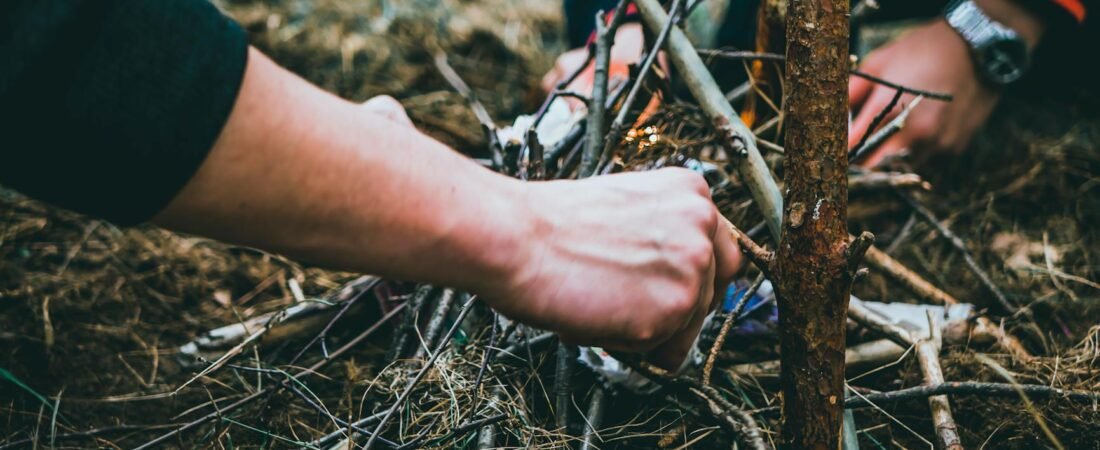
How to Start a Fire in the Wilderness: 7 Proven Techniques
Starting a fire in the wilderness is one of the most essential survival skills you can master. Whether you’re a camper, survivalist, or outdoor enthusiast, knowing how to make a fire from scratch can provide warmth, a way to cook food, and a signal for help. This comprehensive guide covers seven proven techniques to start a fire in the wild, complete with step-by-step instructions, practical tips, and product recommendations to ensure you succeed even in challenging conditions.
Introduction
Imagine you’re deep in the woods as the sun sets, temperatures drop, and you need to build a fire to stay warm and safe. You pull out your kit, but no matches or lighter are available. What now? This is where knowing different fire-starting methods comes in handy. From primitive friction techniques to modern tools, this guide will walk you through reliable ways to ignite a flame using natural materials and survival gear.
Preparation: The Foundation of Fire
Before diving into techniques, there are some essential steps to prepare your fire safely and effectively:
- Clear a safe spot: Find flat ground, clear away all leaves, grass, and debris in a 2-foot diameter area. Surround your fire space with stones or dig a shallow pit to contain the fire.
- Gather tinder, kindling, and fuel wood: Tinder refers to very dry, fine materials that ignite quickly, like dry grass, bark shavings, or cotton balls. Kindling includes small sticks and pinecones. Fuel wood consists of larger logs that keep the fire burning long-term.
- Build a fire lay: Construct your fire structure using techniques such as a teepee or log cabin style, which allows airflow and a strong flame.
1. Fire Plough (Primitive Friction Method)
The fire plough is one of the oldest fire-starting techniques, using friction to create heat and an ember:
- Find a suitable wooden fireboard and prepare it by carving a groove or track in it.
- Use a stick (spindle) and rub it rapidly back and forth along the groove, creating friction.
- At the end of the groove, position your tinder nest to catch the ember formed from the heated wood dust.
- Once you see a glowing ember, carefully transfer it to the tinder and gently blow to ignite a flame.
Tip: Softwoods like cedar or basswood work well. Practice this technique to improve speed and pressure control.
2. Hand Drill (Simple Friction Fire)
A traditional method requiring only a spindle and fireboard:
- Prepare a flat fireboard with a small depression near the edge.
- Place the spindle vertically in the depression.
- Roll the spindle rapidly between your palms while pressing down to generate friction.
- Collect the hot wood dust that forms and transfer it to your tinder to create a flame.
Recommended product: A survival knife to help carve the fireboard and spindle easily.
3. Bow Drill (Efficient Friction Method)
This method uses a bow to spin the spindle faster and with less effort:
- Construct your bow by attaching a strong cord to a flexible stick.
- Place the spindle on the fireboard depression and loop the bowstring around the spindle.
- Use a socket (a smooth stone or piece of hardwood) to hold the spindle’s top steady while moving the bow back and forth to rotate the spindle.
- The generated friction will produce an ember; transfer it to your tinder nest and blow gently to ignite.
This method is among the most effective friction techniques. Kits are available online for practice, or you can build your own tools from natural materials.
4. Flint and Steel (Spark-Based Firestarter)
One of the safest and most reliable methods to produce sparks:
- Use a piece of hard flint or quartz and a carbon steel striker or knife blade.
- Hold char cloth or dry tinder beneath the sharp edge of the flint.
- Strike the steel quickly against the flint’s edge to generate sparks.
- Catch a spark on the char cloth, forming a glowing ember.
- Transfer the ember to your tinder nest and blow gently to start your fire.
Recommended product: A flint and steel fire starter kit or ferrocerium rod (ferro rod) which produces hotter sparks and works even when wet.
5. Fire Piston (Pressure-Driven Ignition)
A fascinating method using air compression to ignite tinder:
- A small cylinder (fire piston) is used to compress air quickly by plunging a piston inside.
- This rapid compression causes the air temperature to rise drastically, igniting a small piece of tinder inside.
- Remove the tinder and transfer it carefully to a tinder nest, then blow into a flame.
Practical advice: Fire pistons are lightweight and durable; they make excellent additions to survival kits.
6. Modern Lighters and Matches (Backup Options)
While traditional methods are valuable, modern tools simplify fire-starting dramatically:
- Waterproof matches: Reliable in wet conditions.
- Lighters: Easy and quick source of flame.
- Ferrocerium rods: Durable, spark-producing rods that work when wet.
Always carry at least one reliable fire starter in your survival kit as your primary or backup method.
7. Unusual and Improvised Methods
In extreme situations, unconventional items can start fires:
- Battery and steel wool: Touching fine steel wool to a battery terminal causes it to heat and ignite.
- Lenses or glasses: Focusing sunlight through a lens onto tinder can start a fire on sunny days.
- Fire plough with improvised tools: Using a tough blade stone or even gum wrappers to create sparks in desperate times.
Note: These methods require practice and materials that may not always be at hand.
Additional Tips for Successful Wilderness Fire Making
- Start small and grow: Begin with fine tinder, then gradually add larger kindling and finally fuel wood.
- Practice your skills: Fire starting takes patience and repetition; practice before you need it for survival.
- Mind the weather: Find sheltered spots or use fire reflectors in windy or wet conditions.
- Maintain oxygen flow: Proper wood stacking allows air to fuel your fire; don’t smother the flames.
- Safety first: Always keep your fire contained, have water or sand nearby, and fully extinguish it after use.
Frequently Asked Questions (FAQs)
Q: Which fire starting method is best for beginners?
A: Using a ferrocerium rod with dry tinder is the most beginner-friendly reliable method. It’s easier to make sparks compared to friction-based techniques.
Q: Can I start a fire when everything is wet?
A: Yes, but it’s more challenging. Use waterproof tinder like cotton balls with petroleum jelly or dry inner bark. Ferro rods work well even when wet.
Q: What should I avoid when building a fire?
A: Avoid using freshly cut green wood which won’t catch fire easily, and never build fires in hazardous areas near flammable brush or tents.
Final Thoughts
Mastering these seven fire-starting techniques will boost your wilderness survival confidence dramatically. Whether you prefer traditional friction methods like the bow drill or modern tools like ferrocerium rods, preparation and practice are key. Equip yourself with the right knowledge and tools to stay safe, warm, and ready for any outdoor adventure.
Ready to enhance your fire-starting skills? Start practicing today with a quality fire starter kit and build your survival confidence one spark at a time!