
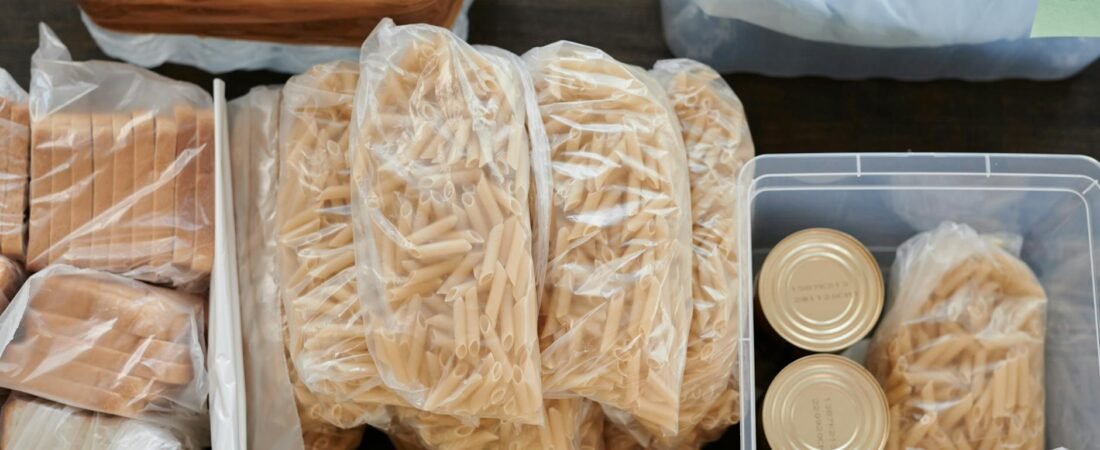
Emergency Food Storage Ideas for Long-Term Survival
Preparing for emergencies by storing food that lasts can provide peace of mind and critical support when disaster strikes. Long-term food storage is essential for survival kits, disaster preparedness, and ensuring you and your loved ones remain nourished during disruptions to normal food supplies. This comprehensive buyer’s guide will walk you through the key features to look for in emergency food products, factors to consider when building your supply, practical tips, and product recommendations to help you make informed choices.
Understanding Long-Term Emergency Food Storage
Long-term food storage involves preserving food to remain safe and nutritious for years, sometimes decades. The goal is to have food that can withstand environmental challenges such as moisture, oxygen, pests, and temperature fluctuations. Common preservation methods include:
- Canned foods: Sealed in airtight tins with a shelf life of several years.
- Freeze-dried foods: Food is frozen and then dried under vacuum, resulting in lightweight, nutrient-dense meals that can last 25+ years.
- Dehydrated foods: Water content is removed to extend shelf life, typically lasting several years when stored correctly.
Each method offers unique benefits. For example, freeze-dried foods retain most nutrients and flavor while being compact and lightweight, ideal for bug-out bags or limited storage spaces. Canned goods are robust and easy to rotate but bulkier.
Key Features to Look For in Emergency Food Products
When selecting emergency food products, consider the following:
1. Shelf Life
- Look for products with a verified shelf life of at least 10 years for long-term storage.
- Freeze-dried meals often last 25+ years; canned goods may last 2–5 years.
- Ensure packaging is durable and airtight to maximize shelf life.
2. Nutritional Value
- A balanced diet is critical; choose kits that contain proteins, carbohydrates, fats, and essential vitamins.
- Look for meals fortified with vitamins like C and minerals to prevent deficiencies during prolonged emergencies.
- Consider options with a variety of grains (wheat, rice), legumes (beans), and dehydrated fruits and vegetables.
3. Taste and Variety
- Emergency food doesn’t have to be bland; many brands offer tasty, ready-to-eat meals or customizable recipes.
- Variety helps maintain morale and appetite, so choose a diverse mix of entrees, snacks, and staples.
4. Packaging and Storage
- Mylar bags with oxygen absorbers, food-grade 5-gallon buckets, and foil pouches are popular packaging for extended freshness.
- Proper packaging protects from oxygen, moisture, and pests; ensure your storage containers are airtight and stored in a cool, dry place away from sunlight.
5. Special Dietary Needs
- Some kits cater to gluten-free, vegan, or allergy-friendly diets — important if you or your family have restrictions.
- Check ingredient lists carefully for allergens and consider supplementing with your preferred staples.
Considerations When Building Your Emergency Food Supply
Storage Conditions
- Temperature: Store food below 75°F for optimal longevity; higher temperatures shorten shelf life.
- Moisture: Keep food dry and off the ground to avoid spoilage and mold.
- Light: Protect items from direct sunlight, especially delicate oils and food in clear containers.
- Pest control: Ensure storage areas are rodent and insect-proof.
Rotation and Usage
Rotate your emergency food supply regularly. Use older items first and replenish with fresh stock to avoid waste. Label containers with purchase or expiration dates, and incorporate stored food into regular meal planning to maintain freshness and familiarity.
Portioning and Servings
Calculate how many servings each kit provides and how many daily servings each person will require. Generally, adults need around 2000 calories per day, but adjust for activity level, age, and health needs.
Common Questions and Concerns About Emergency Food Storage
Q: How long can I safely store freeze-dried food?
Properly stored freeze-dried foods can last up to 25 years or more, especially when sealed in Mylar bags with oxygen absorbers and stored in cool, dark places.
Q: Can I use oxygen absorbers with all foods?
Oxygen absorbers are excellent for low-moisture foods (below 10% moisture content) like rice, wheat, and dehydrated meals. Avoid using them with high-moisture items to prevent botulism risk.
Q: Is it necessary to store food in buckets or just sealed bags?
Combining Mylar bags with food-grade buckets adds an extra protection layer against physical damage, pests, and moisture. Buckets also facilitate stacking and easy storage.
Q: Can I add fresh foods to my supply?
Fresh foods generally have a shorter shelf life and should supplement your long-term storage rather than replace it. Consider freezing or dehydrating fresh produce for longer storage.
Top Product Recommendations for Long-Term Emergency Food Storage
| Product | Key Features | Estimated Shelf Life |
|---|---|---|
| ReadyWise Emergency Food Supply Kits | Freeze-dried, delicious entrees, sealed in oxygen-proof packaging, variety of kits for different calorie needs | Up to 25 years |
| Augason Farms Shelf-Stable Food Products | Wide range of freeze-dried and dehydrated meals, gluten-free options, family-friendly recipes, affordable pricing | 10–25 years depending on product |
| Long-Term Bulk Staples (Wheat, Rice, Beans) | Stored in food-grade containers with oxygen absorbers, versatile for cooking, foundational to nutrition | Up to 30 years if stored properly |
Practical Tips for Maintaining Your Emergency Food Storage
- Label Everything: Record purchase dates, expiration dates, and storage guidelines clearly on every container.
- Store Smart: Keep containers in a cool, dry, dark space off the floor to avoid moisture damage.
- Rotate Annually: Use older items first and replace with fresh stock to maintain quality.
- Include Water and Cooking Supplies: Have clean water and simple cooking tools on hand to prepare stored food.
- Plan Meals: Take time to practice cooking with emergency foods to familiarize your family and reduce wastage during a crisis.
Conclusion
Building and maintaining a reliable emergency food supply is a critical step in disaster preparedness that can protect your family and ease anxiety during uncertain times. By selecting foods with long shelf lives, balanced nutrition, and good taste, and storing them properly, you maximize survival chances and comfort. Remember to rotate your supplies and adapt to your family’s unique dietary needs.
Take action today: Assess your current food supplies, invest in high-quality long-term storage foods from trusted providers, and create a dedicated storage space following best practices. Your future self will thank you for the foresight and care.
Credits
Photo by Julia M Cameron on Pexels. View the original image here.