
Choosing the Best Backpack for Bushcraft and Survival
When it comes to bushcraft and survival, your backpack is more than just a piece of gear—it’s your lifeline. Whether you’re venturing into the wilderness for a weekend of foraging and fire-making or preparing for an emergency scenario, the right backpack can make all the difference between a successful adventure and a frustrating ordeal. But with so many options on the market, how do you choose the best bushcraft backpack for your needs?
In this comprehensive buyer’s guide, we’ll walk you through everything you need to know about selecting the perfect survival backpack. From essential features and materials to practical buying tips and top product recommendations, you’ll leave equipped with the knowledge to make a confident decision.
Why Your Backpack Matters in Bushcraft and Survival
I remember my first overnight bushcraft trip. I was excited, packed with enthusiasm, and carrying a cheap, generic hiking backpack I’d picked up at a discount store. By the end of the first day, my shoulders ached, my gear was scattered, and I was frustrated trying to access my tools. It wasn’t until I invested in a proper bushcraft backpack that I truly appreciated how much the right pack can enhance your experience.
A well-designed survival backpack does more than just carry your gear—it organizes it, protects it, and makes it accessible when you need it most. In survival situations, every second counts, and having quick access to essentials like a knife, fire starter, or first aid kit can be the difference between a minor inconvenience and a major crisis.
Key Features to Look for in a Bushcraft Backpack
Not all backpacks are created equal, especially when it comes to bushcraft and survival. Here are the most important features to consider when shopping for your next pack:
Durability and Materials
The wilderness is unforgiving. Your backpack will face rocks, branches, rain, and rough handling. Look for packs made from high-denier fabrics like 500D Cordura nylon, which offers excellent resistance to abrasion and tearing. Reinforced stitching and rugged zippers are also essential for long-term durability.
Capacity and Size
Capacity is measured in liters and should match your intended use. For day trips or minimalist adventures, a 25-35L pack is usually sufficient. For multi-day excursions or bug-out scenarios, consider a 45-65L pack. Keep in mind that larger packs can be heavier and bulkier, so balance capacity with comfort and portability.
Organization and Accessibility
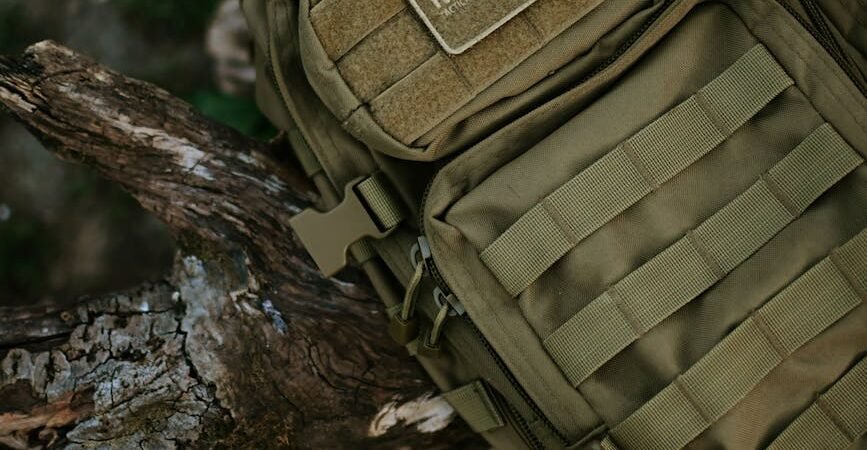
Organization is crucial in bushcraft. Look for packs with multiple compartments, external pockets, and specialized features like axe or hatchet holders. MOLLE webbing allows you to attach additional pouches and gear, giving you the flexibility to customize your setup. Easy access to frequently used items—like your knife, fire starter, or water bottle—can save valuable time in the field.
Comfort and Fit
You’ll be carrying your pack for hours, so comfort is non-negotiable. Padded shoulder straps, a breathable back panel, and an adjustable waist belt help distribute weight evenly and reduce fatigue. Try on different packs with a loaded weight to ensure a proper fit for your body type.
Water Resistance and Weather Protection
Weather can change quickly in the wild. Look for packs with water-resistant materials, sealed seams, or an integrated rain cover. Some packs are fully waterproof, which is ideal for wet environments or emergency situations.
Specialized Features
Many bushcraft backpacks include unique features tailored to survival needs. These might include:
- Pass-through pockets for carrying axes, hatchets, or long-handled tools
- External loops or attachment points for gear like trekking poles or sleeping bags
- Hydration bladder compatibility (though some packs don’t include the bladder)
- Discreet, low-profile designs for bug-out scenarios
Common Questions and Objections
Choosing a bushcraft backpack can raise a few questions. Here are some common concerns and how to address them:
“Isn’t a regular hiking backpack good enough?”
While hiking backpacks are designed for comfort and long-distance trekking, they often lack the ruggedness, organization, and specialized features needed for bushcraft and survival. Bushcraft backpacks are built to handle heavy loads, rough terrain, and frequent access to gear.
“Are expensive backpacks worth the investment?”
High-quality backpacks may have a higher upfront cost, but they offer better durability, comfort, and functionality. In survival situations, reliability is priceless. Investing in a well-made pack can save you money and frustration in the long run.
“What if I need to carry a lot of gear?”
For heavy loads, look for packs with a robust frame, padded harness system, and ample storage. Larger packs (45L and above) are ideal for extended trips or bug-out scenarios, but make sure they’re comfortable to carry when fully loaded.
“How do I know if a backpack fits me?”
Fit is personal. Try on packs with a loaded weight to assess comfort and adjustability. The shoulder straps should sit snugly without digging in, and the waist belt should rest comfortably on your hips. A good pack will distribute weight evenly and feel stable during movement.
Practical Buying Tips
Here are some actionable tips to help you choose the best bushcraft backpack:
- Assess Your Needs: Consider your typical adventures—day trips, multi-day excursions, or emergency preparedness. Match the pack’s capacity and features to your use case.
- Test Before You Buy: If possible, try on packs in person with a loaded weight. Pay attention to comfort, fit, and ease of access.
- Check for Durability: Look for high-denier fabrics, reinforced stitching, and rugged zippers. These details ensure your pack can withstand the rigors of bushcraft.
- Consider Customization: MOLLE webbing and external attachment points allow you to tailor your pack to your gear and preferences.
- Don’t Forget Accessories: Some packs don’t include a hydration bladder or rain cover. Factor in the cost of these extras when budgeting.
- Read Reviews: User reviews and expert opinions can provide valuable insights into real-world performance and reliability.
Top Bushcraft Backpack Recommendations
Based on extensive research and real-world testing, here are some of the best bushcraft backpacks available in 2025:
Maxpedition Falcon-II
The Maxpedition Falcon-II is a top choice for bushcraft enthusiasts. Its rugged construction, ample storage, and versatile MOLLE webbing make it ideal for both short trips and extended adventures. The roll-top closure keeps gear secure, and the padded harness system ensures comfort even with heavy loads.
OneTigris WILD ROCKET 45L
For those seeking a budget-friendly option without sacrificing durability, the OneTigris WILD ROCKET 45L is an excellent pick. Made from tough 500D Cordura nylon, it offers plenty of storage and specialized axe holders. The MOLLE webbing allows for customization, though it’s a bit heavier than some competitors.
Helikon-Tex Matilda Backpack
The Helikon-Tex Matilda is perfect for minimalist adventurers. Its lightweight design, multiple external pockets, and MOLLE system make it easy to organize and access gear. The padded straps and breathable back panel ensure comfort on longer hikes, though it’s not the largest capacity option.
Osprey Atmos AG 65
For multi-day trips or heavy loads, the Osprey Atmos AG 65 stands out. Its patented Antigravity suspension system provides exceptional comfort, and the integrated rain cover offers weather protection. While it’s on the pricier side, its durability and thoughtful design make it a worthwhile investment.
Berghaus Vulcan II
The Berghaus Vulcan II is a roomy, traditional alpine pack with a central main compartment and large top pouch. It’s tough and solid, with a breathable back and good belt, though the shoulder straps may be too thin for some users.
Defcon 5 Bushcraft Backpack
The Defcon 5 Bushcraft Backpack offers a great balance of tactical features and overall design. Its three internal fishnet pouches, comfortable back and shoulder straps, and removable carabiners make it versatile and reliable for various climates and scenarios.
Additional Resources and Next Steps
Choosing the right bushcraft backpack is just the beginning of your survival gear journey. Consider pairing your pack with essential items like a quality knife, fire starter, first aid kit, and water purification system. Regularly review and update your gear to ensure it meets your evolving needs.
For more in-depth reviews and expert advice, explore reputable outdoor gear websites and forums. Engaging with the bushcraft and survival community can provide valuable insights and recommendations.
Conclusion
Your backpack is the cornerstone of your bushcraft and survival setup. By prioritizing durability, organization, comfort, and specialized features, you can find a pack that enhances your adventures and keeps you prepared for any situation. Whether you’re a seasoned outdoorsman or just starting your journey, investing in the right backpack is a decision you won’t regret.
Ready to take your bushcraft and survival skills to the next level? Explore our top recommendations, try on a few packs, and find the perfect fit for your needs. Your next adventure awaits—make sure you’re equipped for success.
What’s your favorite bushcraft backpack? Share your experiences and tips in the comments below!
Stay safe, stay prepared, and happy adventuring!
Credits
Photo by Darya Grey_Owl on Pexels. View the original image here.