
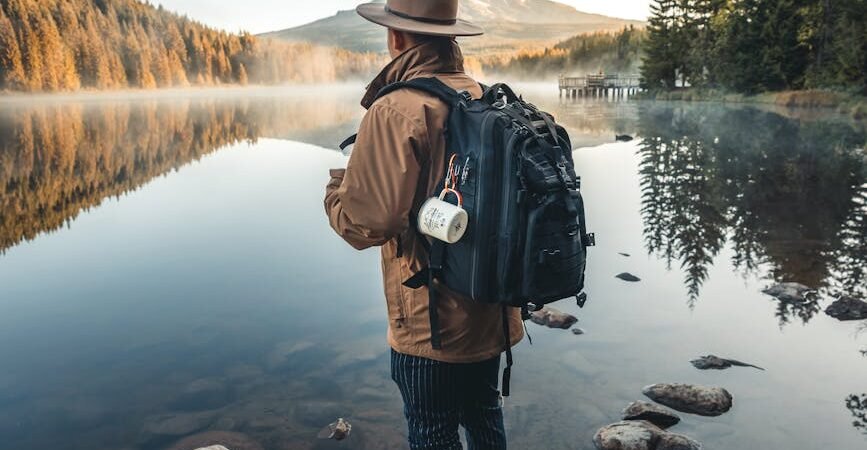
How I Survived a Weekend Alone in the Wilderness
There’s something uniquely humbling about stepping into the wild with nothing but your wits, a few essential tools, and the determination to make it through. For me, that moment came last fall when I decided to spend a weekend alone in the remote woods of northern Idaho. What started as a personal challenge quickly turned into a real test of survival skills, bushcraft knowledge, and mental resilience. In this post, I’ll share my story—how I prepared, what went wrong, what went right, and the lessons I learned that every outdoor enthusiast should know.
Setting the Scene: My Solo Wilderness Adventure
My name is Alex Carter, and I’ve always been drawn to the outdoors. I’ve done plenty of group camping trips, but I’d never spent more than a night alone in the backcountry. This time, I wanted to push my limits. I chose a rugged, forested area known for its unpredictable weather and abundant wildlife. I packed light, carrying only what I believed I’d need for three days: a backpack, a sleeping bag, a tarp, a fire starter, a knife, and a few other essentials. I also brought a journal to document my experience.
The first day went smoothly. I hiked in, set up camp, and spent the afternoon gathering firewood and exploring the area. The forest was alive with the sounds of birds and rustling leaves. I felt confident and excited. But as the sun dipped below the trees, I realized just how isolated I truly was.
The Situation: When Things Went Wrong
By the second night, the weather took a turn. A cold front rolled in, bringing heavy rain and a sharp drop in temperature. My tarp, which I’d set up as a lean-to, started to leak. The ground beneath my sleeping bag grew damp, and I found myself shivering through the night. I knew I needed to act fast to avoid hypothermia.
The next morning, I discovered that my fire starter had gotten wet and wouldn’t ignite. I was left with no way to dry my gear or warm myself. I also realized I’d underestimated how much food I’d need. My energy bars were gone, and I hadn’t brought any fishing gear. I was facing a real survival situation.
What I Used: Gear, Skills, and Strategies
At that point, I had to rely on my bushcraft skills and the gear I’d brought. Here’s what I did:
Shelter Improvements
- Tarp Reinforcement: I used paracord to tighten my tarp and create a steeper pitch, which helped shed water more effectively. I also dug a small trench around my shelter to divert runoff.
- Insulation: I gathered dry leaves and pine needles to layer under my sleeping bag, which provided some insulation from the cold, wet ground.
Fire Starting
- Dry Tinder: I searched for dry tinder under fallen logs and in the hollows of trees. I used birch bark, which is naturally water-resistant and easy to ignite.
- Alternative Fire Starters: I tried using a ferro rod, but it was tricky with wet materials. Eventually, I found a dry spot under a rock overhang and managed to get a small fire going.
Food and Water
- Water Collection: I collected rainwater in my cooking pot and boiled it over the fire to make it safe to drink.
- Foraging: I identified edible plants like dandelion greens and wild berries. I also set a simple snare, though I didn’t catch anything.
Mental Resilience
Perhaps the most important tool I had was my mindset. I reminded myself that panic would only make things worse. I focused on one task at a time and kept a positive attitude, even when things seemed bleak.
Lessons Learned: What I’d Do Differently
Looking back, I realize there were several things I could have done better. Here are the key lessons I learned from my weekend alone in the wilderness:
- Always Bring a Backup Fire Starter: A waterproof match case or a second ferro rod could have saved me a lot of trouble.
- Pack Extra Food: Even if you plan to forage, it’s wise to bring more food than you think you’ll need.
- Test Your Gear Beforehand: I should have tested my tarp in the rain before heading out to make sure it was truly waterproof.
- Learn More Bushcraft Skills: Knowing how to build a more effective shelter and identify edible plants would have made a big difference.
- Carry a Satellite Communicator: In case of emergency, a device like a Garmin inReach could have provided peace of mind and a way to call for help.
Product Review: What Worked and What Didn’t
Here’s a quick review of the gear I brought and how it performed:
| Product | Performance | Notes |
|---|---|---|
| 7Forge Orso Hunting Knife | Excellent | Sharp, durable, and reliable for cutting wood and preparing food. |
| MSR Hubba Hubba Tent | Poor | Leaked in heavy rain; not suitable for extreme conditions. |
| Light My Fire Fire Starter | Fair | Worked well when dry, but failed in wet conditions. |
| Hydro Flask Water Bottle | Excellent | Kept water cold and prevented leaks. |
Practical Tips for Solo Wilderness Survival
If you’re planning a solo wilderness adventure, here are some practical tips to help you stay safe and prepared:
- Always Tell Someone Your Plans: Let a friend or family member know where you’re going and when you expect to return.
- Carry a First Aid Kit: Include items for treating cuts, burns, and insect bites.
- Practice Bushcraft Skills: Learn how to build a shelter, start a fire, and identify edible plants before you head out.
- Stay Hydrated: Drink plenty of water and know how to purify it if necessary.
- Be Aware of Wildlife: Know how to react if you encounter animals like bears or moose.
FAQs: Common Questions About Solo Wilderness Survival
What Should I Pack for a Solo Wilderness Trip?
Essentials include a backpack, sleeping bag, tarp or tent, fire starter, knife, water bottle, first aid kit, and extra food. Consider adding a satellite communicator for emergencies.
How Do I Stay Safe When Alone in the Wild?
Stay aware of your surroundings, avoid risky situations, and always have a plan for emergencies. Practice bushcraft skills and carry the right gear.
What Should I Do If I Get Lost?
Stay calm, find shelter, and conserve energy. Use a whistle or mirror to signal for help if possible. If you have a map and compass, try to retrace your steps.
Final Thoughts: The Value of Wilderness Survival Skills
My weekend alone in the wilderness was one of the most challenging experiences of my life, but it was also one of the most rewarding. I learned a lot about myself and the skills I need to survive in the wild. Whether you’re planning a solo adventure or just want to be better prepared for the unexpected, I encourage you to practice bushcraft skills, invest in quality gear, and always respect the power of nature.
If you’ve had a similar experience or want to share your own survival story, I’d love to hear from you in the comments below. And if you’re looking for more resources on wilderness survival, check out our survival courses and gear reviews for expert tips and advice.
Stay safe, stay prepared, and keep exploring!
— Alex Carter
Call to Action
Ready to take your outdoor skills to the next level? Sign up for our wilderness survival course and learn the skills you need to thrive in the wild. Or, share your own survival story in the comments and inspire others to embrace the adventure!